|
EN

Subscribe to our Newsletter
The sheer layer trend has become a key element of contemporary fashion, combining elegance with a modern edge. Through transparent fabrics and layered styling, designers create versatile, visually striking looks that balance creativity with sophistication. Its growing popularity reflects fashion’s shift toward bold yet wearable transparency.
By the Editorial Staff
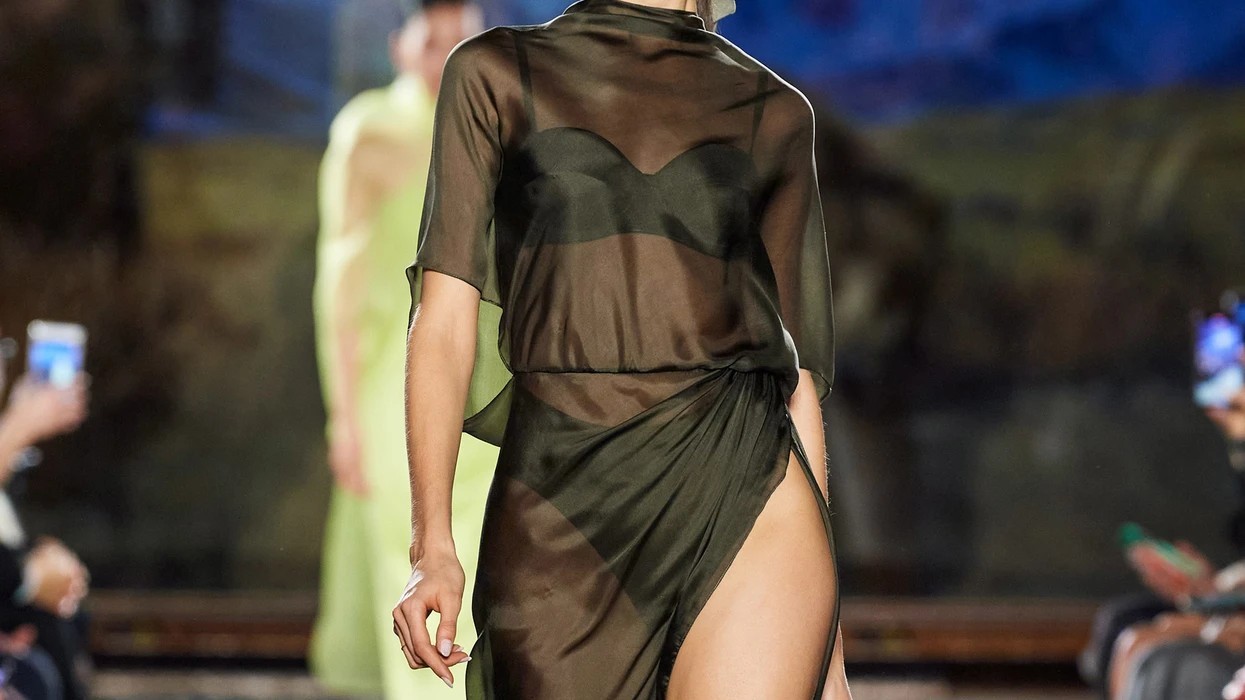
By Camille Freestone, 2020
Photo: Pinterest
In the mid‑2020s, sheer and transparent layers have evolved from a daring niche into one of fashion’s most talked-about trends. Far beyond simple see-through dresses, sheer layering now encompasses runway couture, celebrity red carpet statements, street style adoption, and innovative styling techniques that make transparency feel modern, dynamic, and expressive. This article explores how sheer layers, whether soft organza overlays or bold red carpet gowns have become a defining aesthetic in contemporary fashion.
Sheer fabrics have surged across global fashion ranks, driven by designers emphasizing both texture and technique.
Lightweight organza, chiffon, and mesh are now central to innovative silhouettes, offering visual lightness while adding depth when layered over opaque pieces. On the runway, brands like Louis Vuitton and Prada have shown how modest layering can elevate sheer elements into timeless couture moments, proving that transparency doesn’t need to be overt to be impactful.
This trend also has historical roots: see-through fabrics have long been part of fashion’s vocabulary from eighteenth-century French court looks to modern runway explorations. But today’s iteration blends old-world craftsmanship with contemporary sensibility and movement.
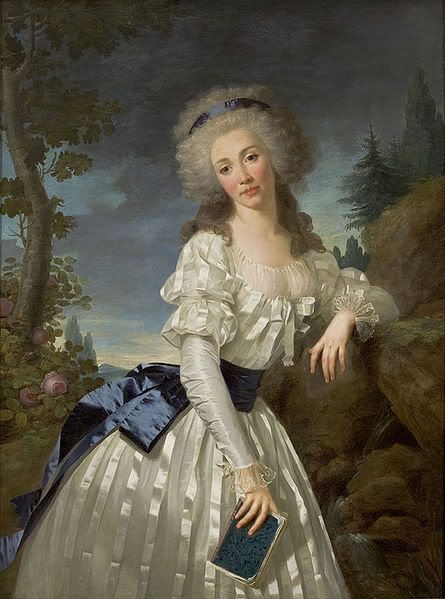
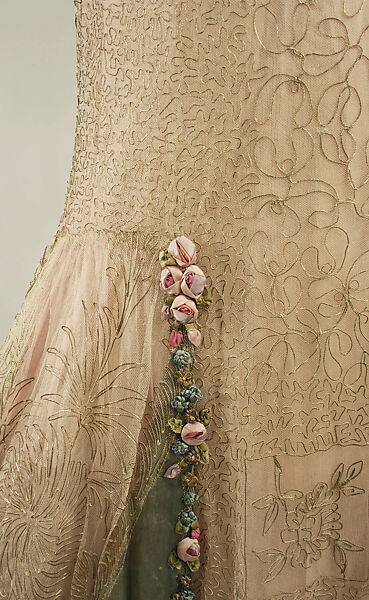
Sheer Striped Chemise a la Reine
A striking indicator of this trend’s power was the 2026 Golden Globe Awards, where sheer layers dominated the evening’s fashion narrative. Stars like Jennifer Lawrence chose delicate embroidery atop translucent silhouettes that juxtaposed romance and drama, rejecting understated minimalism in favor of sartorial risk.
Meanwhile, Jennifer Lopez’s vintage silk tulle gown layered sheer panels with ornate detailing, highlighting how transparency can articulate both body and structure on a grand scale.
Lisa of Blackpink pushed the envelope further at an after-party with a puff-sleeved sheer mesh design that referenced early 2010s silhouettes, reminding us that fashion revivals can be both nostalgic and fresh when executed with bold styling.
Beyond one major event, prolific celebrities have continued to invest in sheer fashion as a key form of personal and creative expression. From Hailey Bieber’s sheer gown with diamond accents at the Grammys to Olivia Rodrigo’s mesh and lace mini dresses at high-profile after parties, these looks anchor sheer layers at the intersection between red carpet allure and youthful stylistic confidence.
Earlier seasons have also seen bold interpretations like Demi Moore’s sequined sheer gown and Dakota Fanning’s floral-infused transparent silk designs demonstrating this isn’t a one-off moment but a sustained thematic thread across seasons and events.
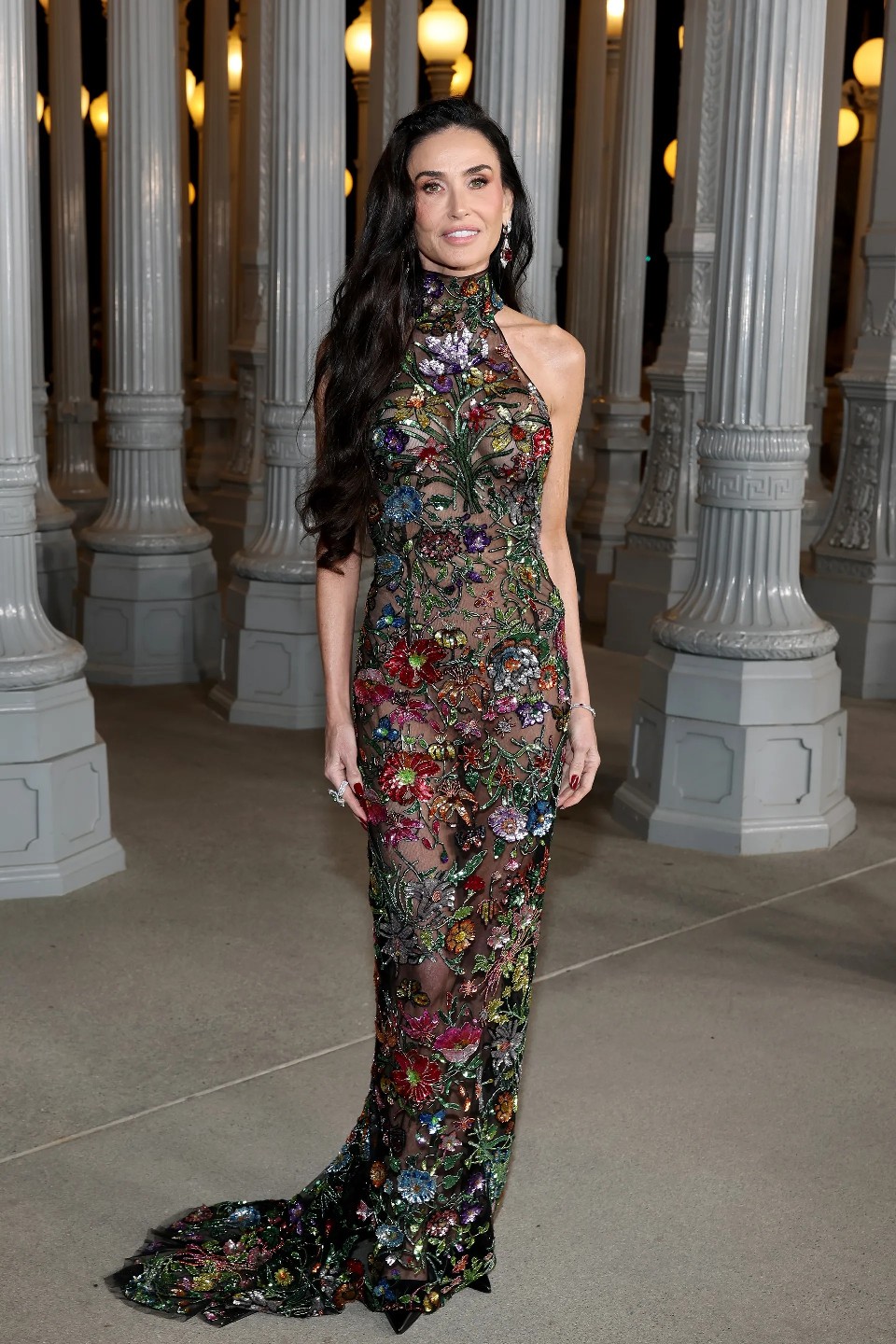
Demi Moore Dons a Floral Twist on the Naked Dressing
Photo: Getty Images
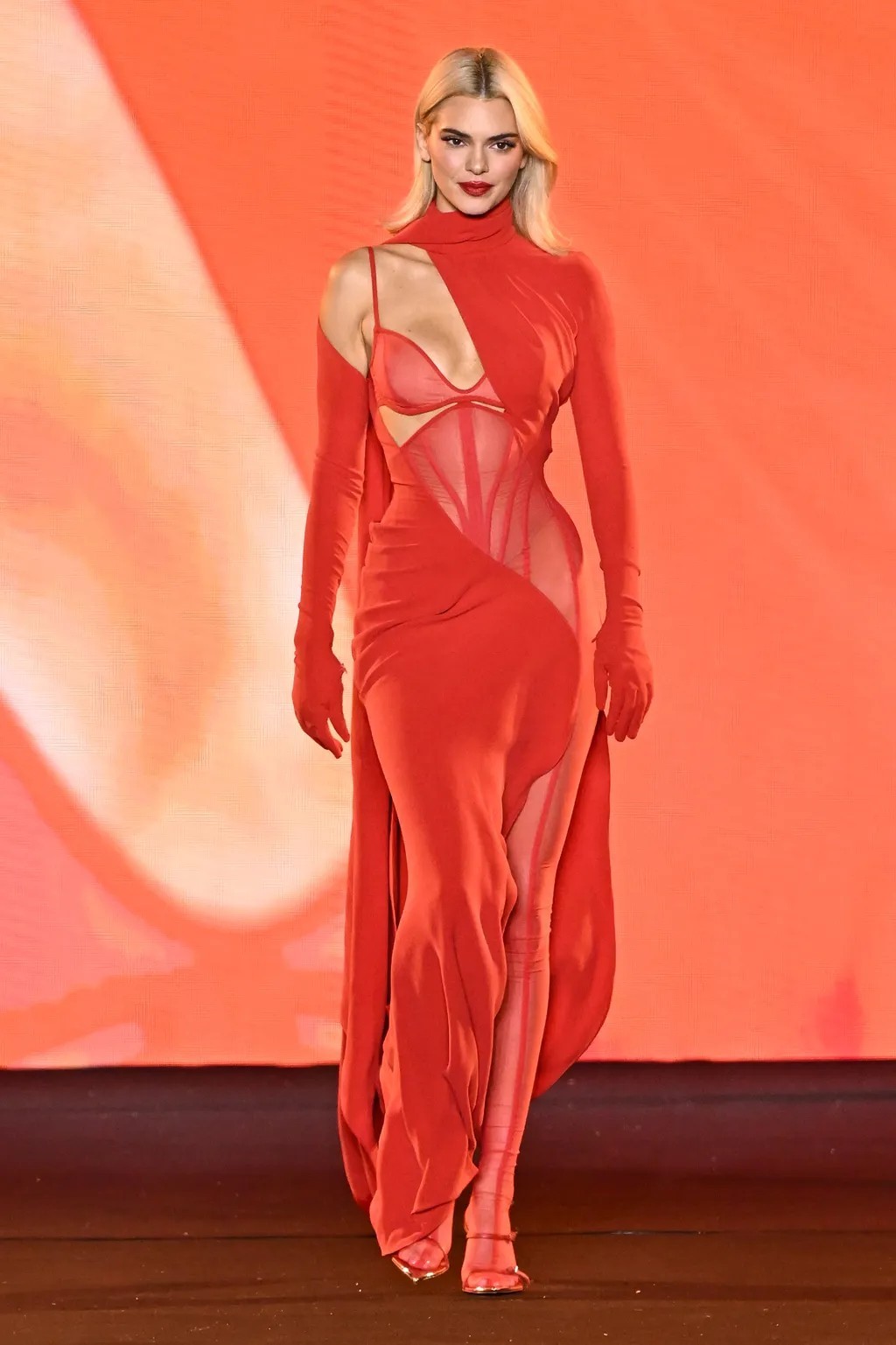
In 2024, Jenner wore a red bustier dress with sheer paneling
Photo: Getty Images
One of the most interesting evolutions of the sheer trend lies in how it’s being worn. Fashionisers and trend analysts note that sheer pieces are now styled with intention stacked over slips, bralettes, tailored pants, or structured jackets which transforms them from provocative statements into nuanced wardrobe staples.
Fashion reports confirm that sheer dressing’s popularity isn’t limited to evening wear: subtle layering strategies bring delicate textures into street style in a way that feels light, dynamic, and accessible without losing high-fashion credibility.
Sheer dressing’s cultural resonance extends beyond aesthetics. Designers and fashion watchers argue that transparency in fashion can be empowering a statement of confidence that blends fluidity with sophistication. By layering sheer fabrics thoughtfully, wearers can choose how much to reveal or conceal, effectively using clothing as a form of personal narrative.
This adaptability explains why sheer looks continue to thrive from luxury couture to high street collections and why the trend remains strong into 2026. The trend’s endurance lies not just in being seen but in being styled with purpose, creating a dialogue between fashion heritage and contemporary self-expression.
The rise of sheer layers represents more than a fleeting trend; it is a reflection of modern fashion’s embrace of versatility, texture, and self-expression. From bold red carpet gowns to subtle street-style layering, sheer fabrics allow for creative interplay between exposure and modesty, drama and elegance.
Celebrities, designers, and fashion enthusiasts continue to innovate with transparency, proving that when styled thoughtfully, sheer layers are not just provocative but sophisticated, wearable, and empowering. As we move further into 2026, the sheer layer trend demonstrates that fashion can simultaneously honor heritage, experiment with materials, and redefine contemporary style boundaries. Ultimately, sheer layers are here to stay, cementing their place as a versatile and enduring wardrobe essential.
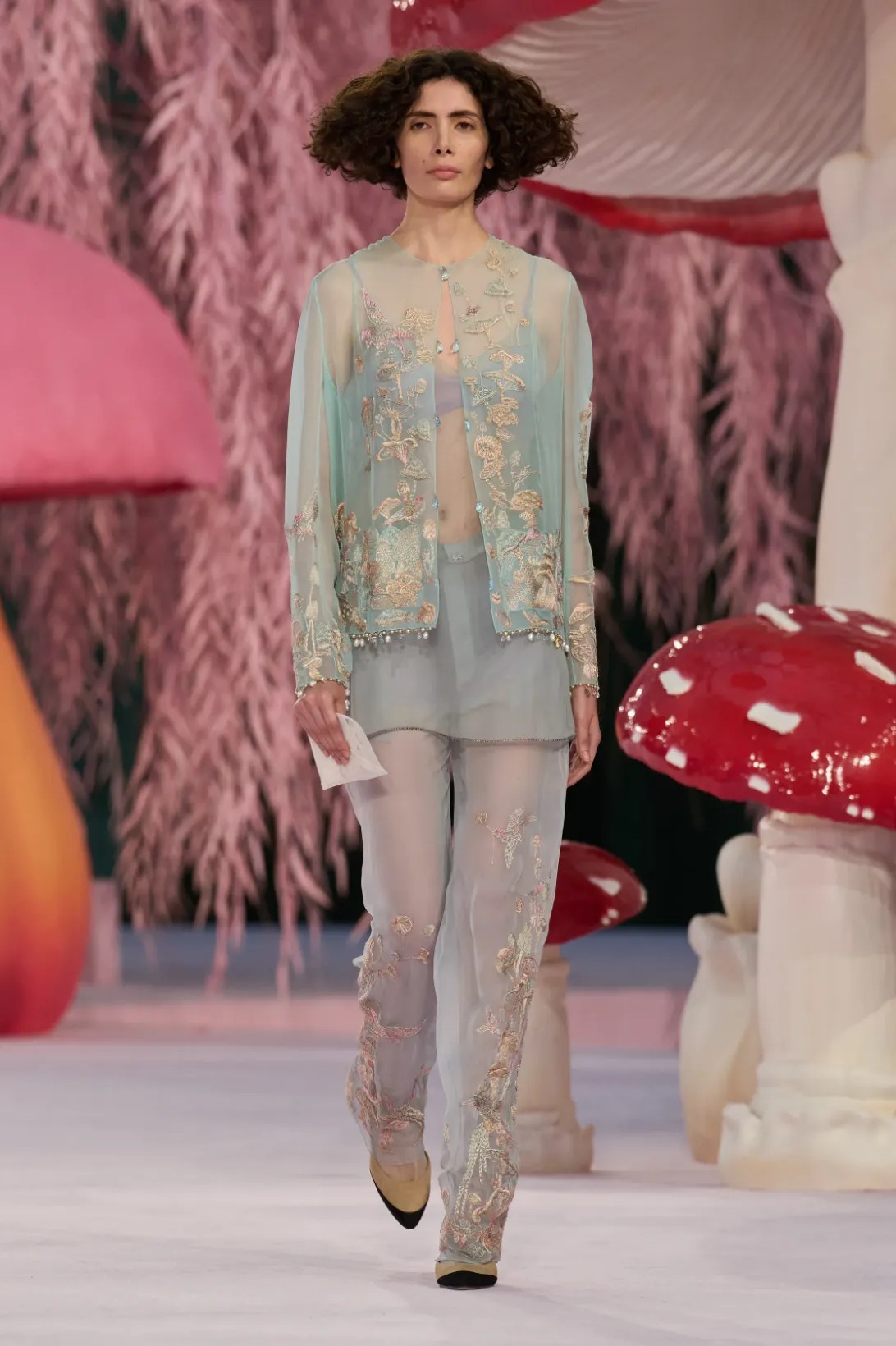
Chanel 2026 Spring Couture
Photo: Getty Images
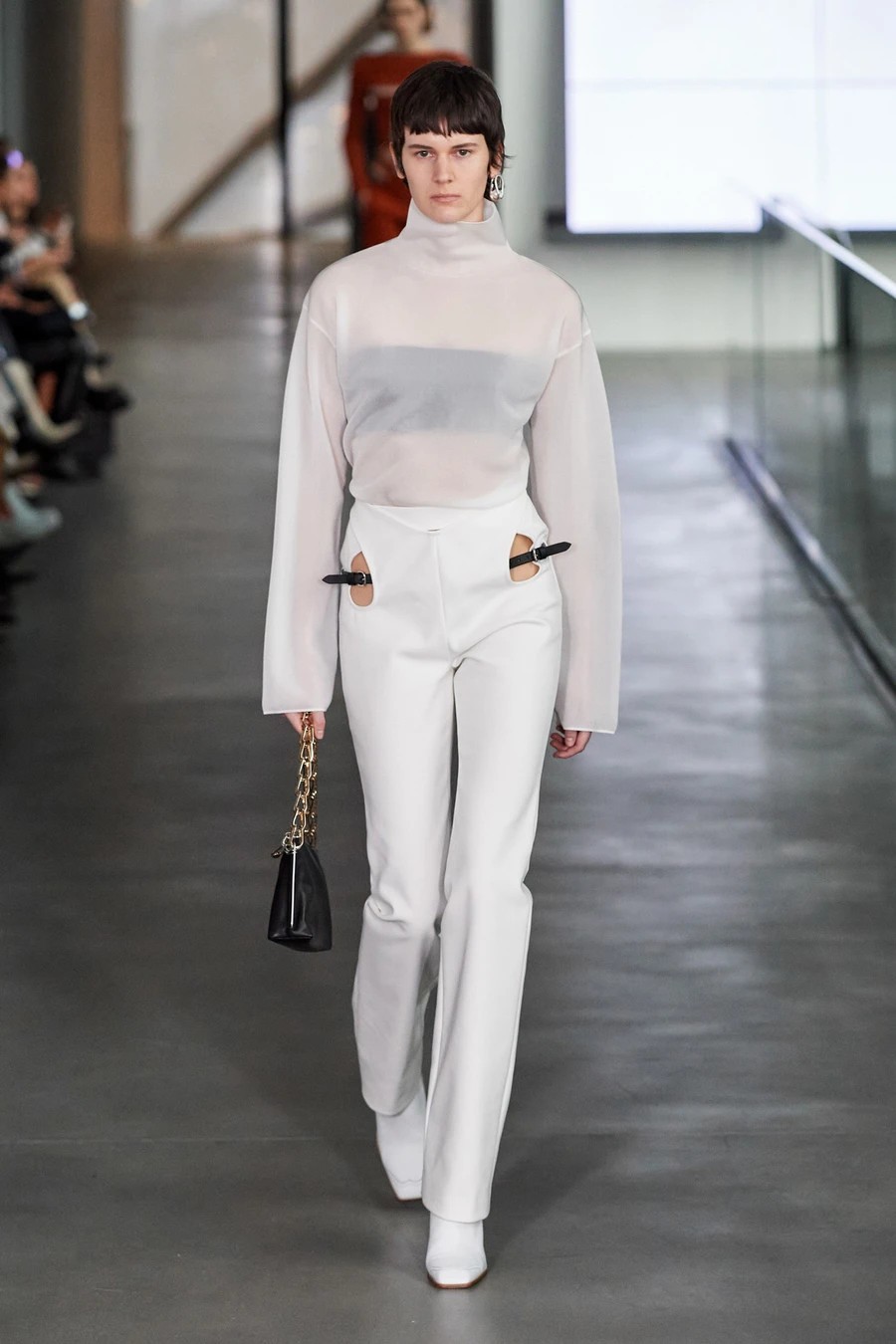
Dion Lee
Photo: Isidore Montag
This article is an original editorial analysis produced by [DIBA magazine]
Research and references are used for contextual accuracy.