|
EN

Subscribe to our Newsletter
As fashion enters 2026, pattern mixing evolves from decorative styling into a deliberate design system. Moving beyond minimalism, designers employ engineered contrasts and layered motifs to construct meaning, complexity, and visual intelligence. This editorial explores pattern mix as a reflection of cultural multiplicity, avant-garde craftsmanship, and fashion’s shift toward structured maximalism.
By the Editorial Staff
Mixing patterns is no longer a decorative impulse or a momentary trend; it has become a disciplined creative system that defines how fashion enters 2026. As minimalism approaches conceptual exhaustion, pattern mix emerges not as excess, but as structure: a method for organizing complexity, constructing meaning, and reasserting visual intelligence. Across global runways, pattern is no longer applied; it is engineered.
This editorial analysis maps the key forces shaping pattern mix in 2026, positioning it at the intersection of design logic, cultural multiplicity, and avant-garde craftsmanship.
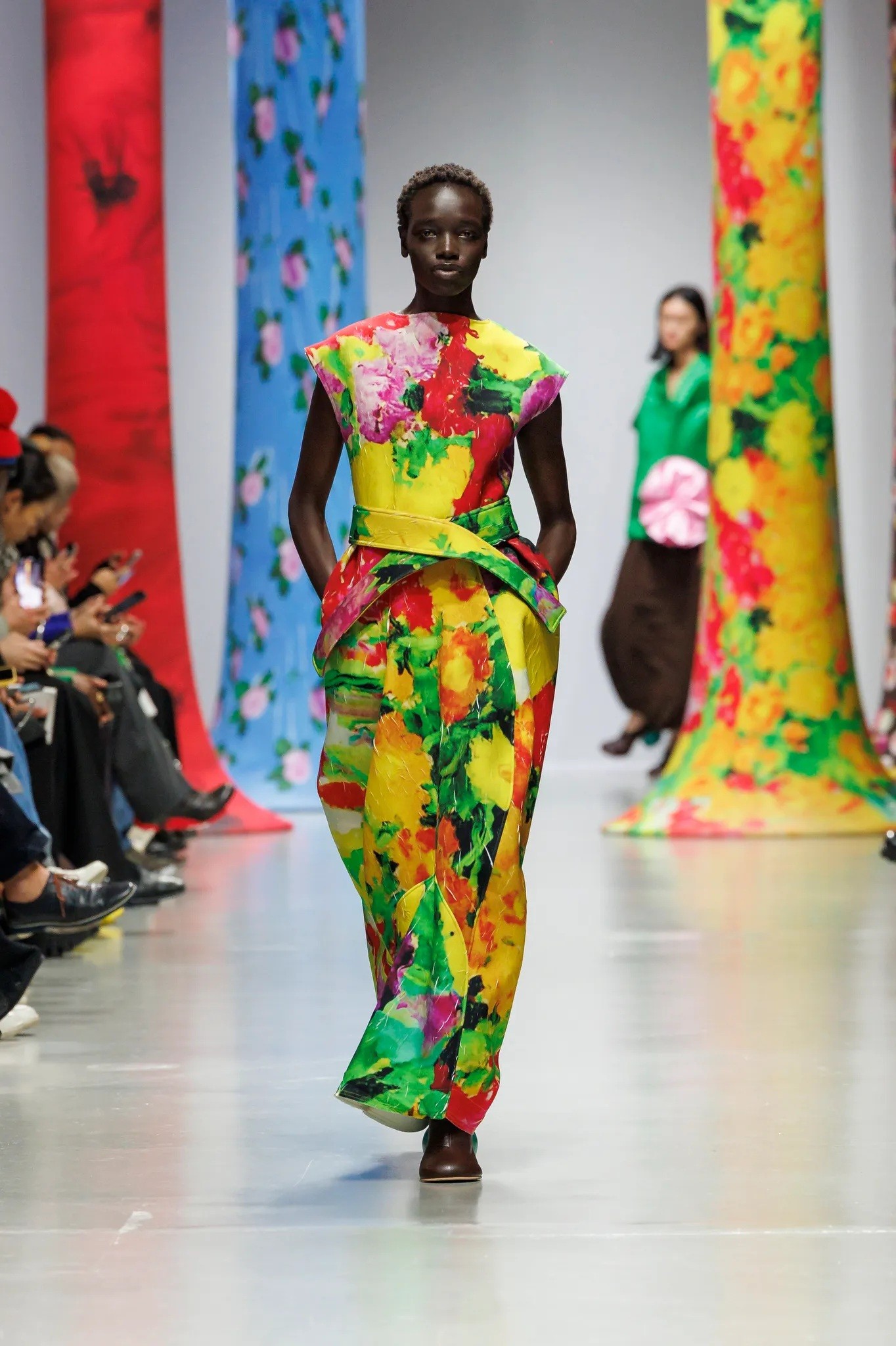
Zomer
Photo: Getty Images
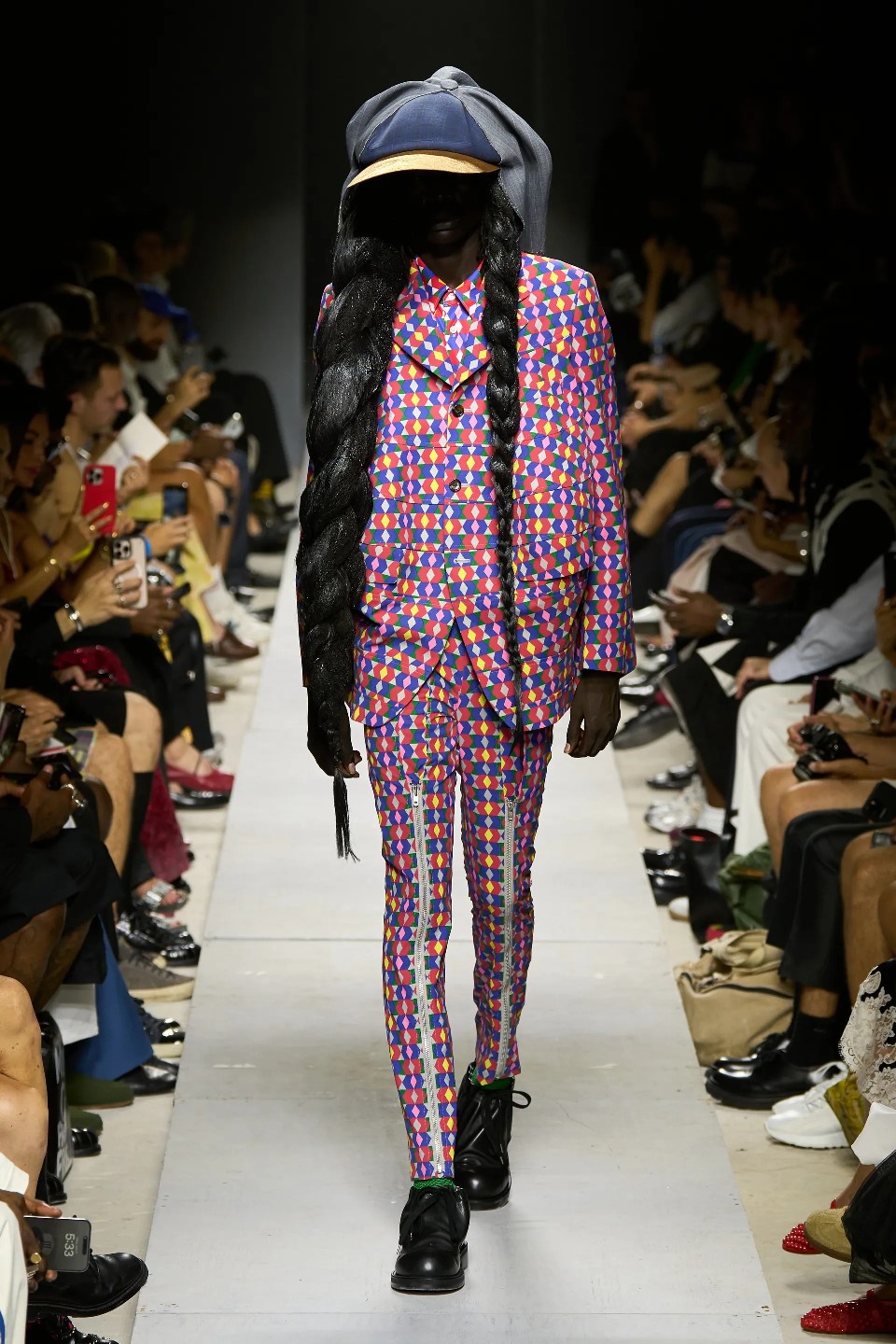
Comme des Garçons
Photo: Getty Images
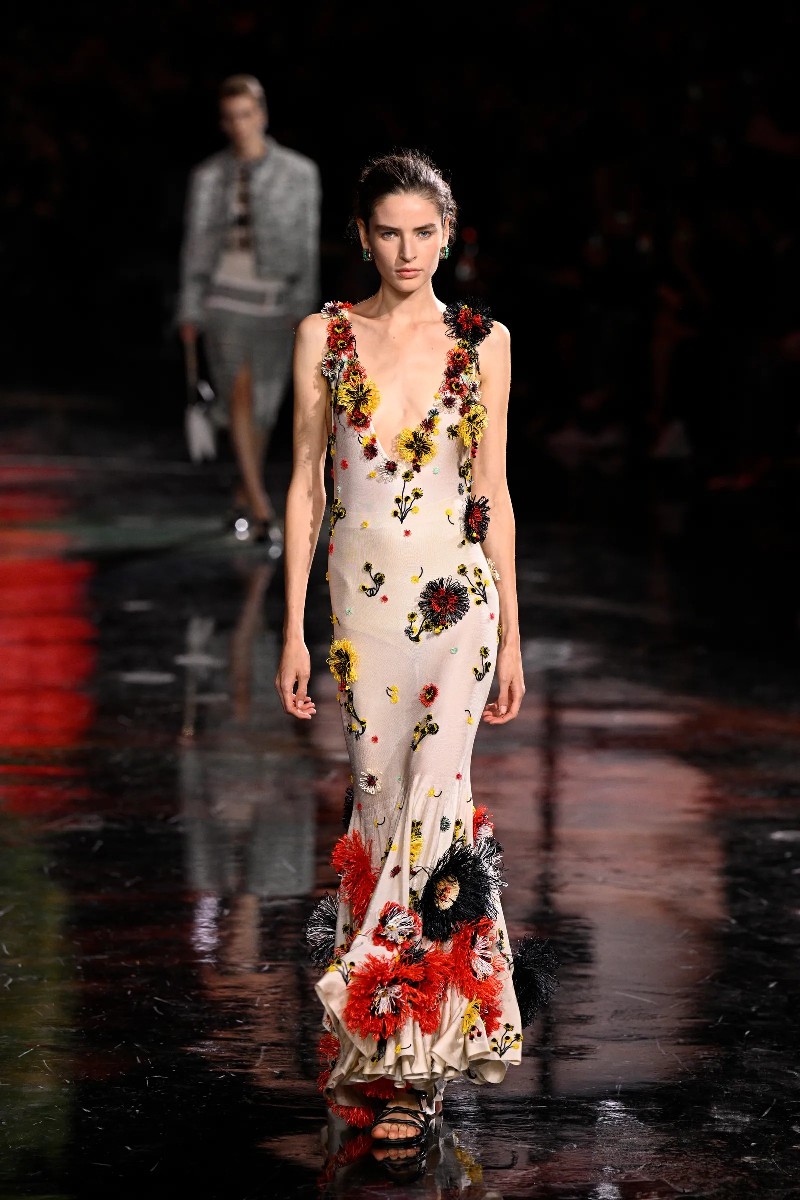
Botanical prints undergo a dramatic evolution in 2026, moving beyond flat surface decoration toward layered, dimensional storytelling. Designers transform florals into sculptural, almost three-dimensional compositions through layered petals, organic silhouettes, and painterly shadow effects. Complementing this movement, Spring Summer catwalk collections increasingly blur the boundary between textile texture and printed surface, allowing botanical motifs to emerge as dynamic, emotionally charged design elements.
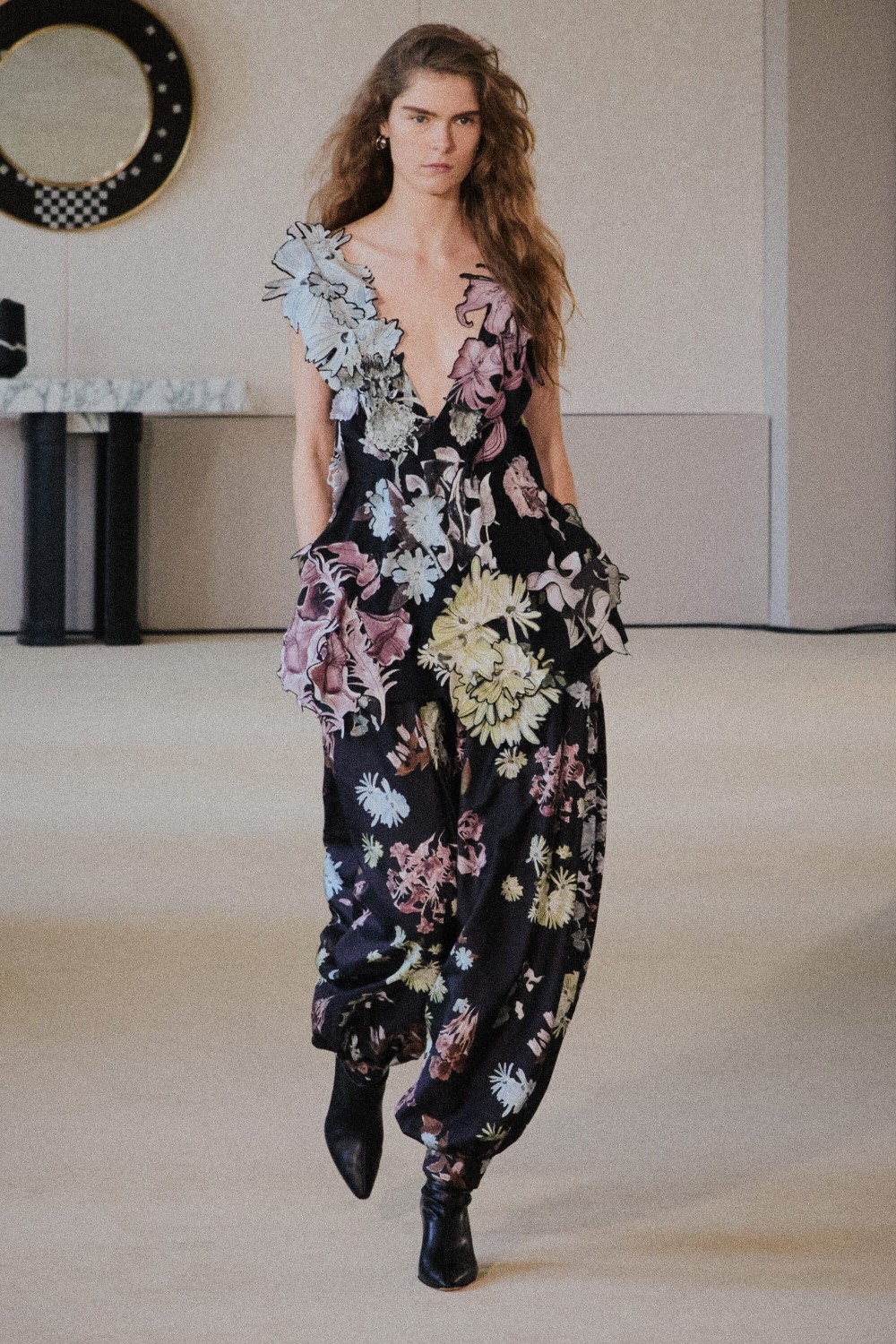
Altuzarra
Photo: Getty Images
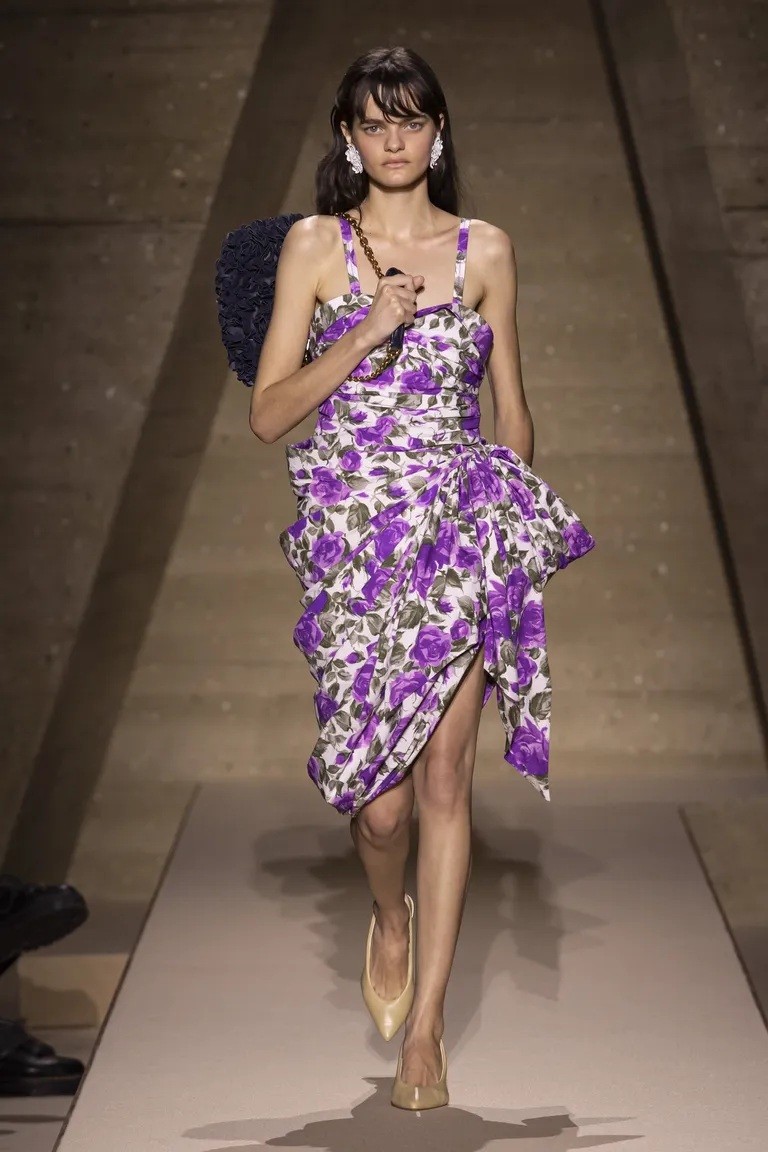
Chloe
Photo: Getty Images
Graphic prints dominate 2026 with renewed confidence. Polka dots return with dramatic scale variations, balancing playful charm with refined elegance. As highlighted in seasonal runway analyses, designers pair oversized dots with tailored silhouettes while layering micro motifs against large-scale graphics to create dynamic visual rhythm. Meanwhile, heritage checks and plaids are reinterpreted through layered proportions and unexpected color juxtapositions, as classic grid structures are revitalized through experimental pattern layering. The result is a pattern language that feels simultaneously nostalgic, modern, and visually progressive.
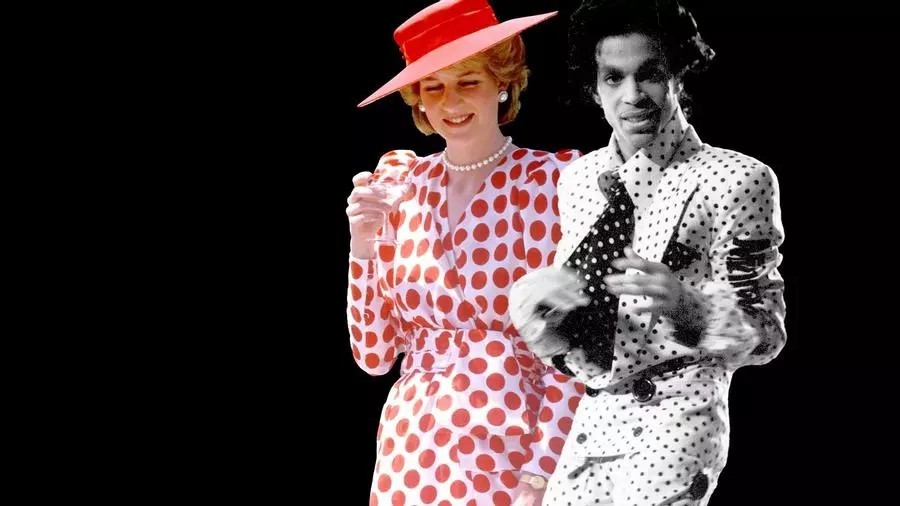
Princess Diana in Japan and singer Prince in Berlin, in two file photos
Photo: Getty Images
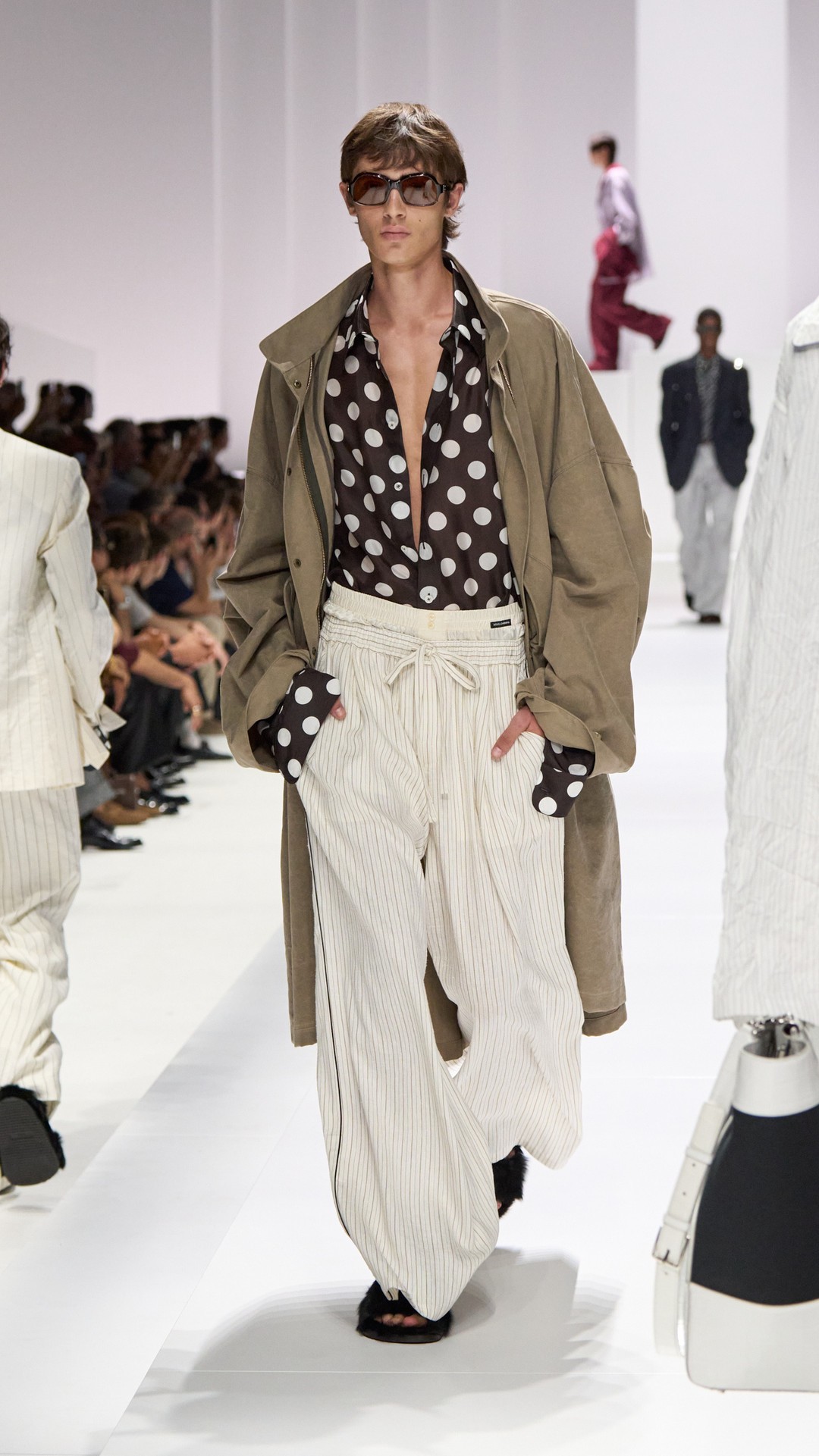
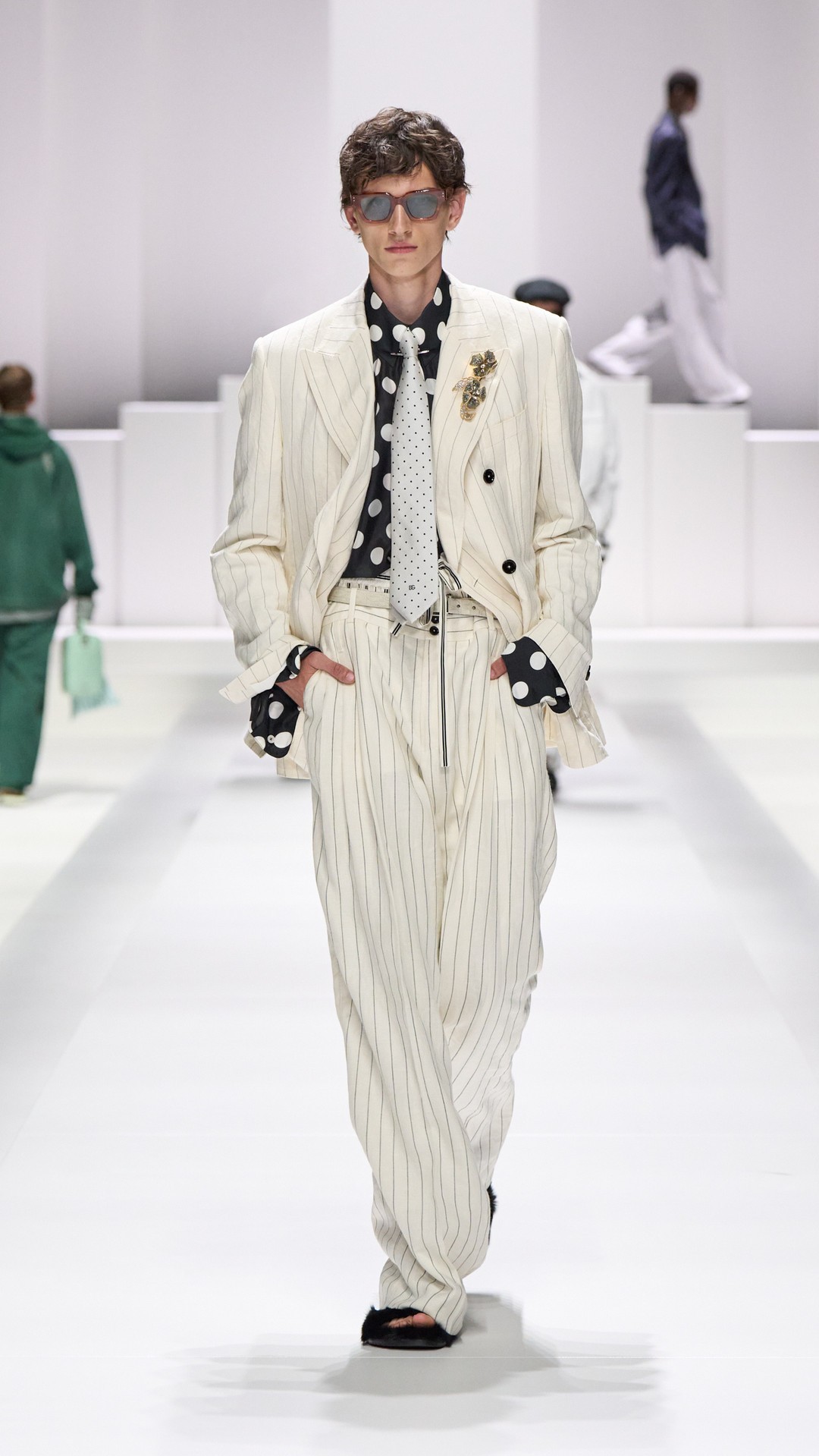
Dolce & Gabbana
Photo: dolcegabbana.com
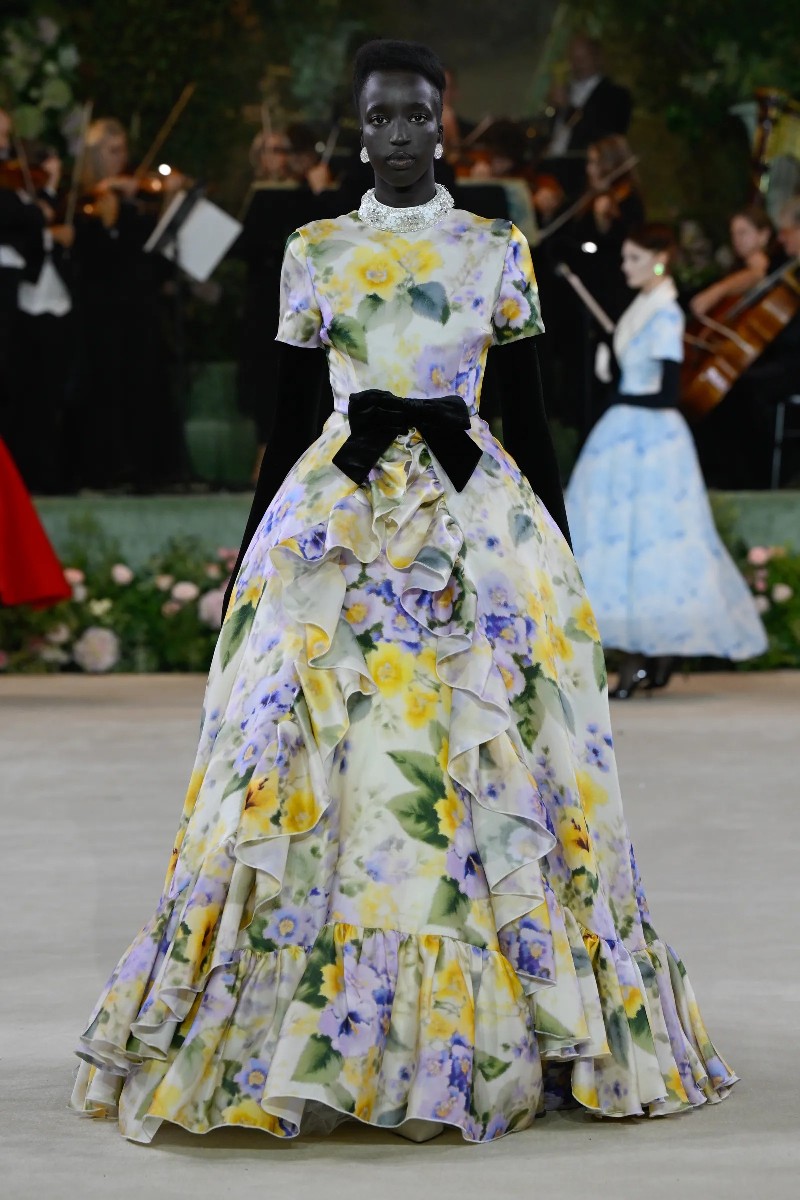
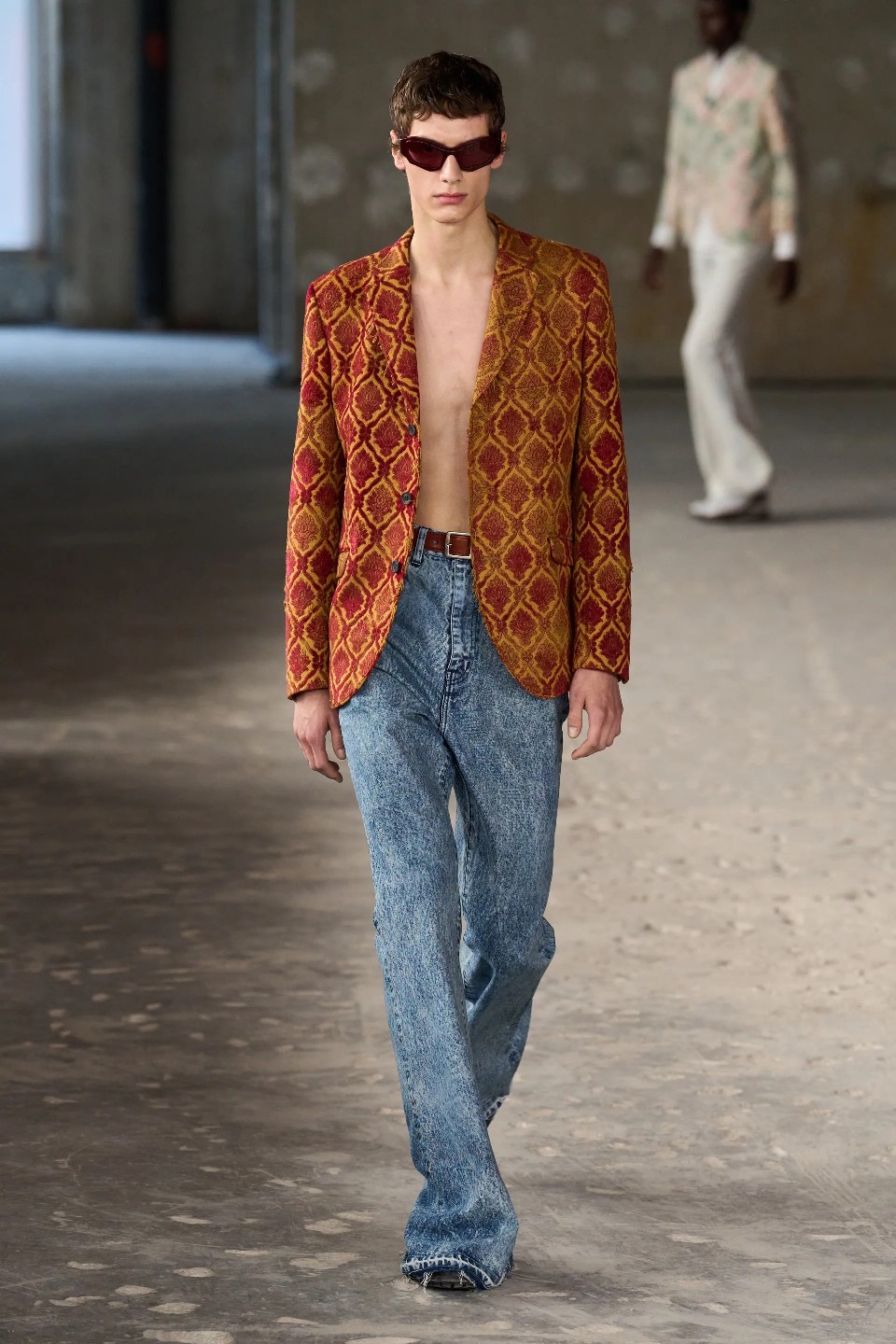
Historical inspiration strongly shapes the 2026 print landscape. Designers revisit heritage motifs from Rococo florals and mid-century botanical arrangements to traditional gingham structures reinterpreting them through contemporary silhouettes and modern color palettes. Costume-inspired and archival references increasingly influence runway storytelling, reflecting society’s growing fascination with nostalgia and historical reinterpretation. Through these revived motifs, prints become emotional narrative devices, allowing fashion to bridge historical memory with contemporary identity.
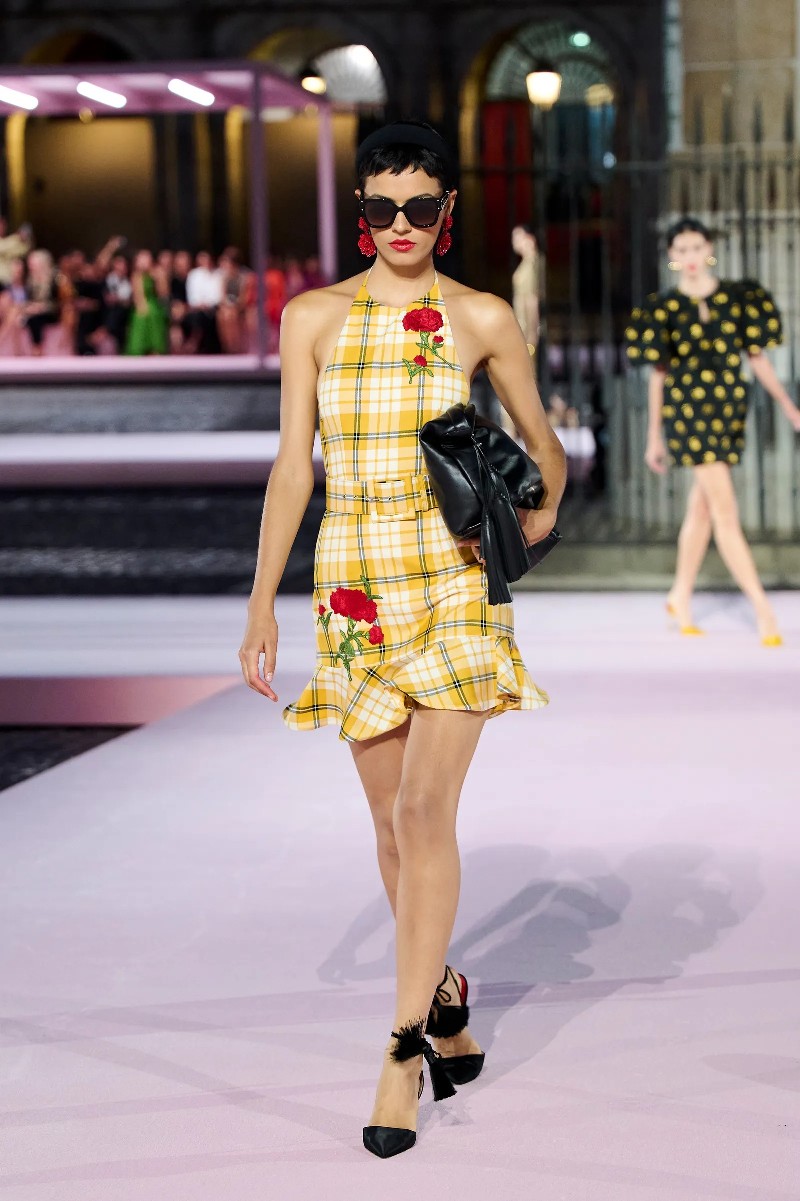
Carolina Herrera
Photo: Carlos Alvarez-Getty Images
Chanel
Photo: Kristy Sparow - Getty Images
Richard Quinn
Photo: Giovanni Giannoni/WWD - Getty Images
Animal prints continue evolving beyond traditional leopard dominance. Designers are embracing zebra stripes, snake patterns, and hybrid animal motifs to introduce fresh visual energy into modern wardrobes. These motifs often appear with tactile finishes
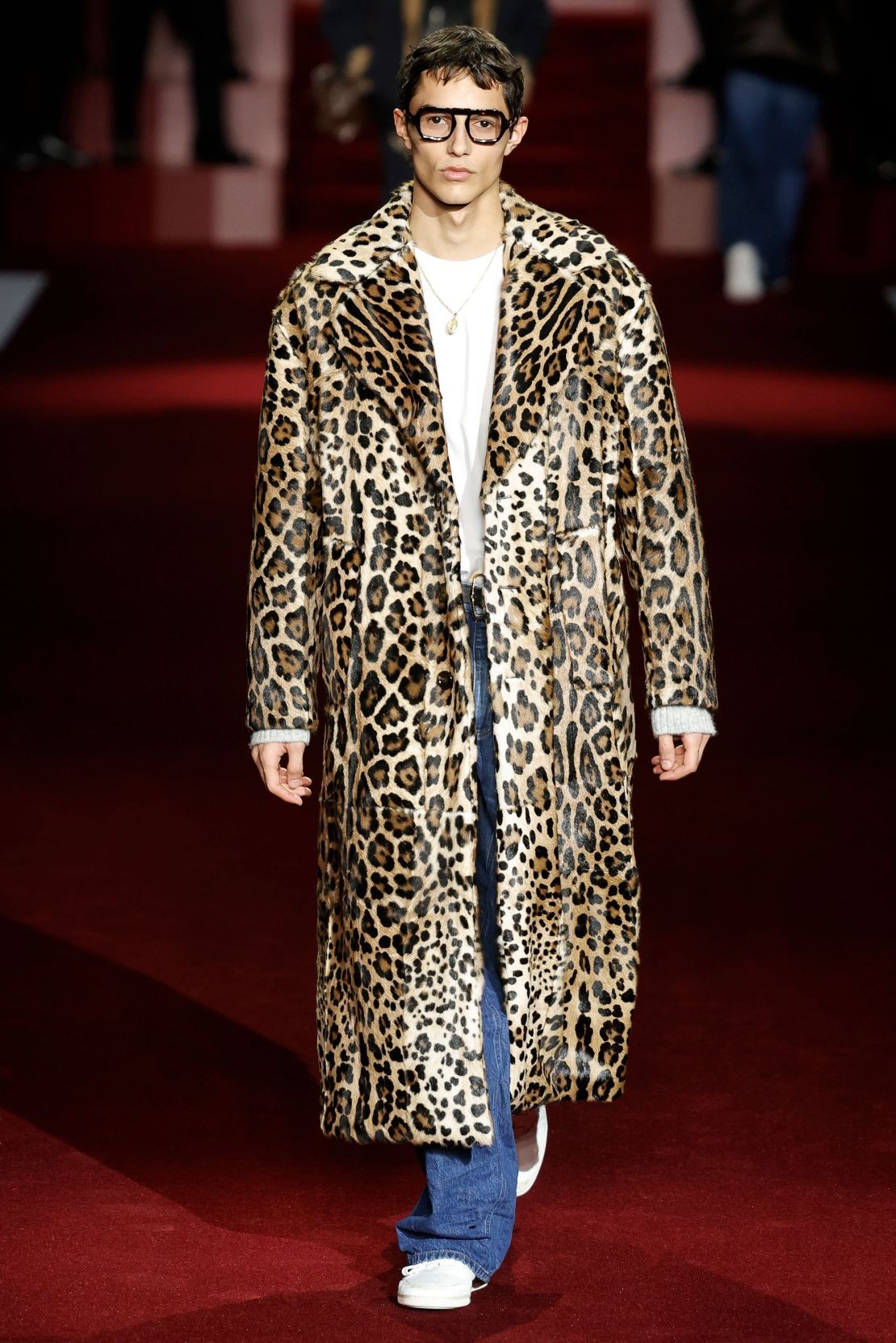
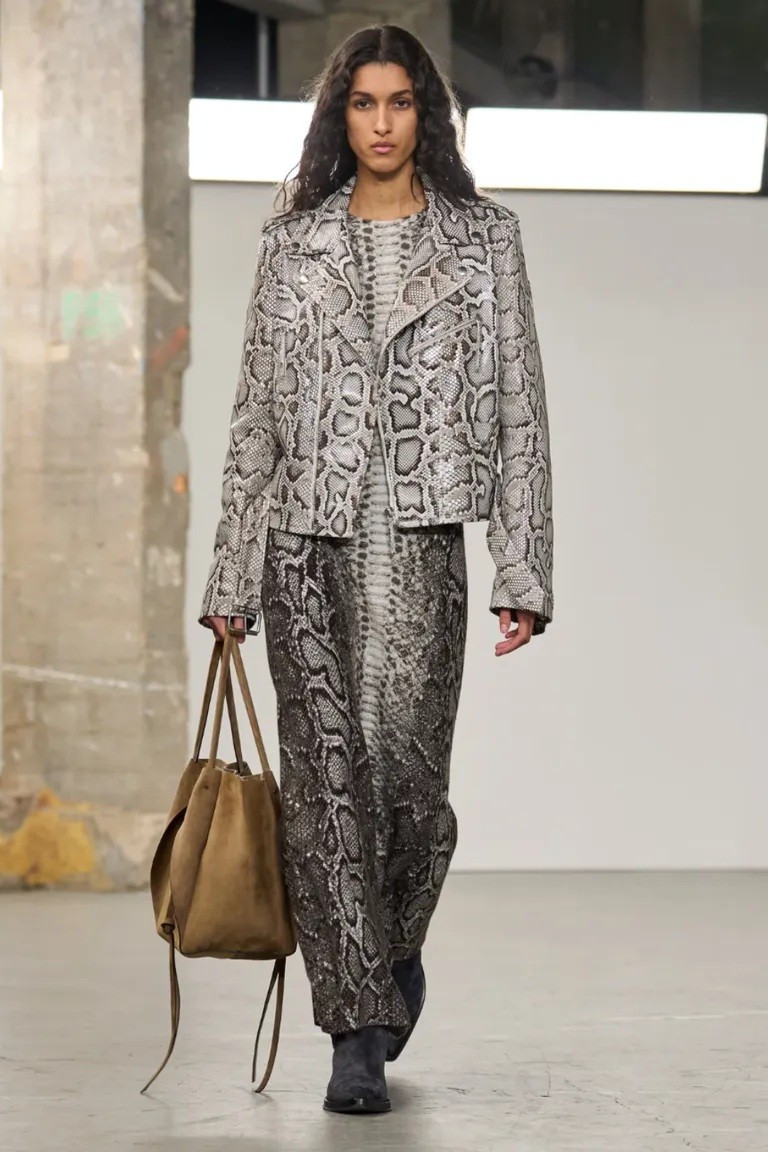
Photo: Shutterstock
Photo: Gabriela Hearst
Abstract and artistic prints gain prominence as designers increasingly push garments toward the realm of wearable art. Runway trend analyses highlight the rise of surreal distortions, painterly textures, and digital glitch-inspired graphics across global collections, redefining print as an expressive visual medium. Similarly, seasonal fashion commentary emphasizes the growing presence of artistic surface storytelling, encouraging audiences to interpret garments as layered visual narratives rather than purely decorative clothing.
These prints celebrate individuality, emotional expression, and the ongoing fusion between fashion and contemporary visual art culture.
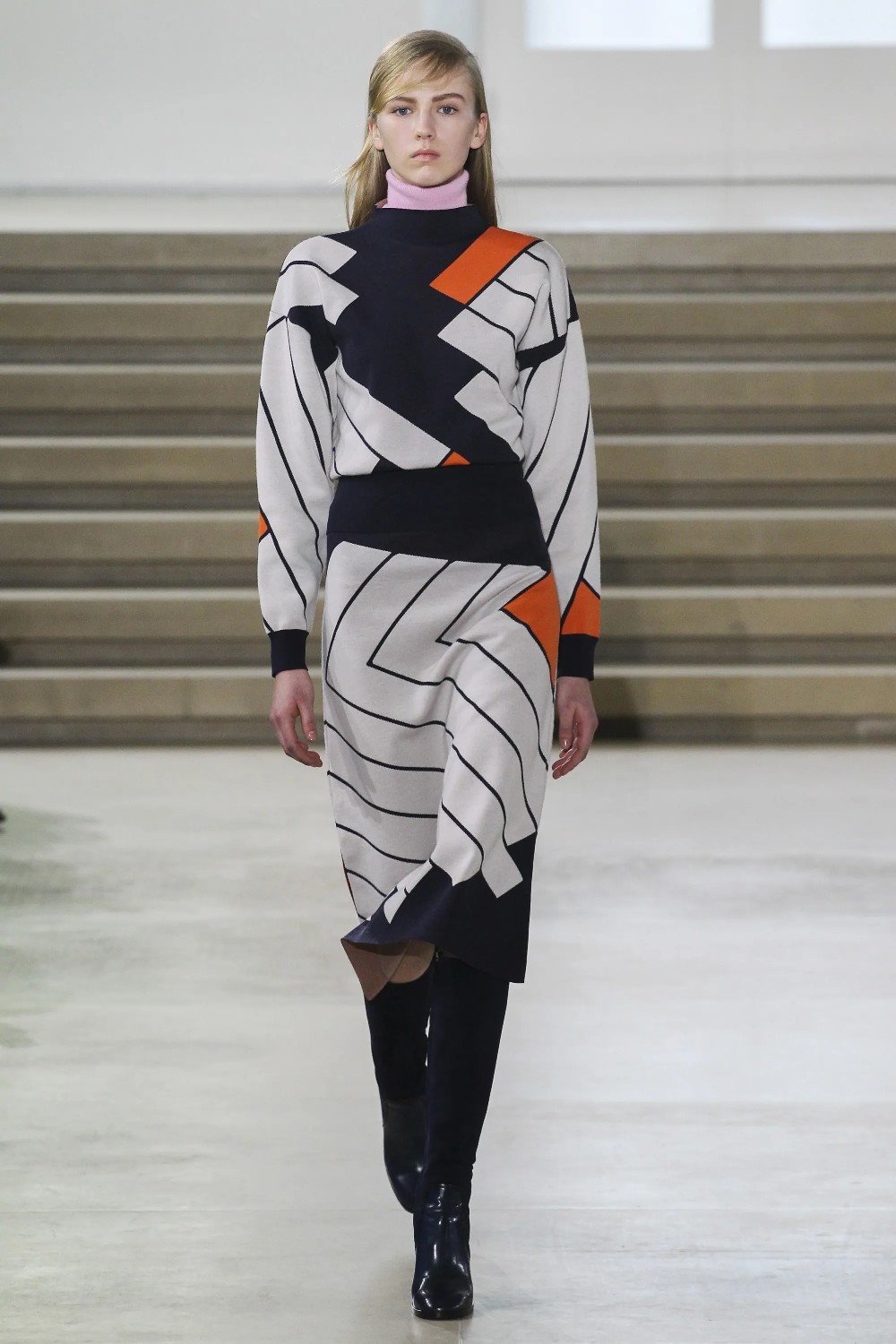
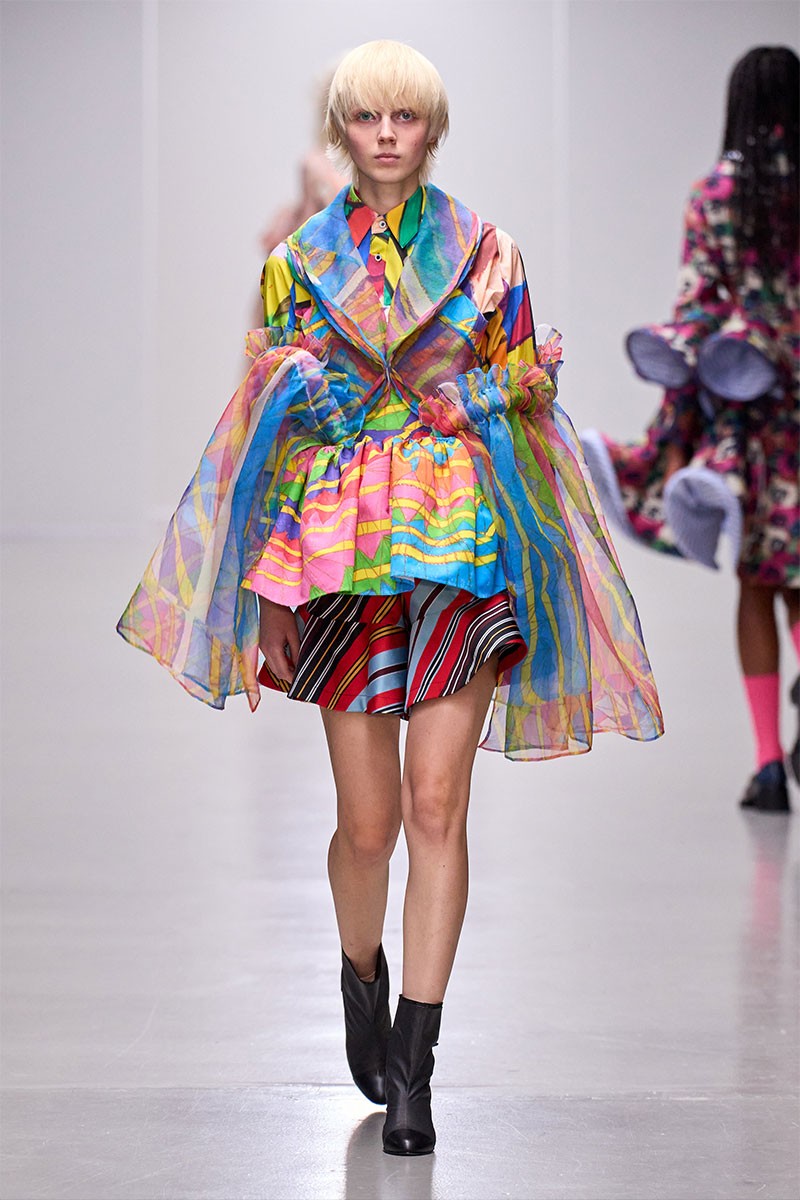
Photo: Getty Images
Anrealage
Photo: Getty Images
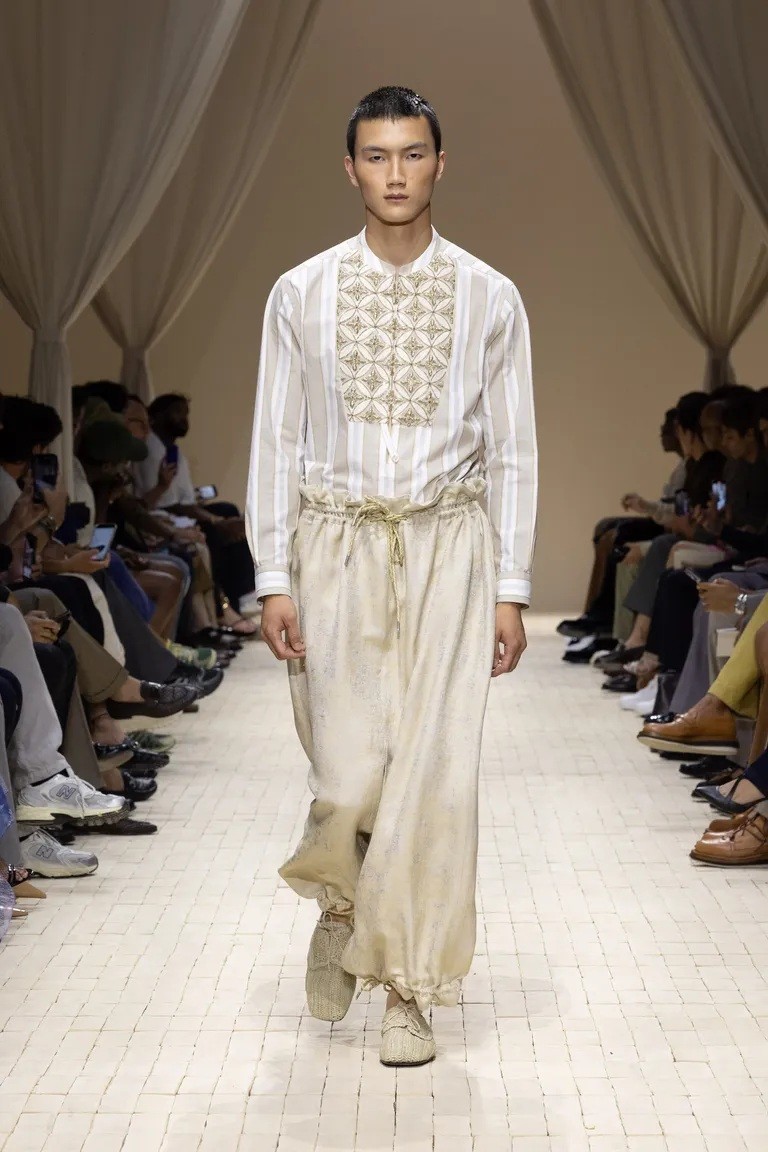
Geometric and technology-inspired prints define the structural side of 2026 fashion. Reports analyzing cold-weather and transitional seasonal style trends illustrate how architectural grids, optical illusions, and structured stripe innovations are being seamlessly integrated into tailoring and outerwear. These patterns reflect the growing influence of digital aesthetics and technology-driven design processes, resulting in garments that balance futuristic clarity with traditional craftsmanship.
Giorgio Armani
Photo: Getty Images
Junya Watanabe
Photo: Gorunway
Color plays a critical role in shaping print narratives in 2026. Professional color and print trend research highlights how designers combine soft pastels, grounded neutrals, and saturated pigments to reinforce emotional storytelling within surface design. At the same time, bold color contrasts amplify pattern identity and heighten the expressive power of garments, transforming prints into visual statements rather than mere embellishment. Through color, pattern evolves into a psychological and cultural communicator, shaping how fashion is perceived, felt, and interpreted.
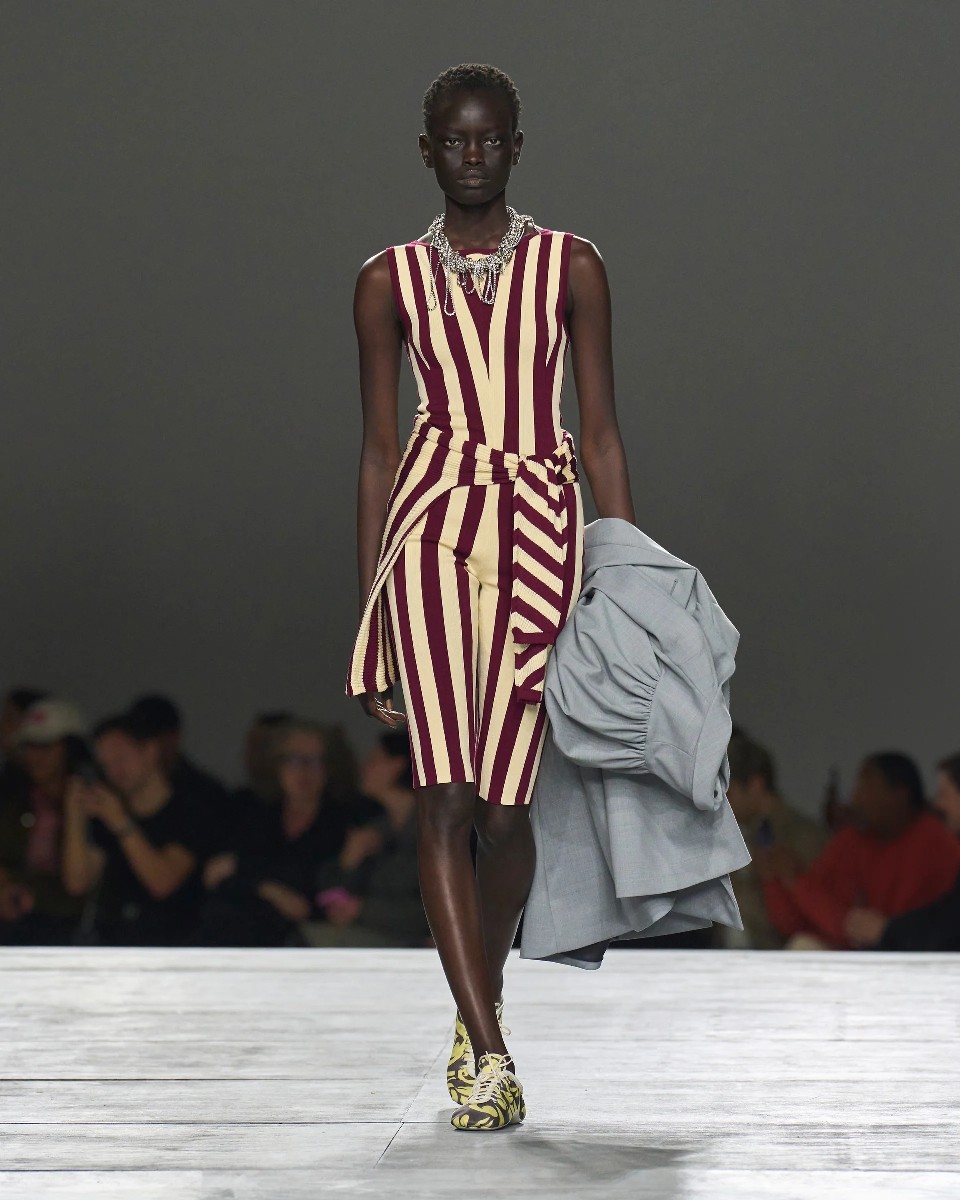
Dris Van Noten
Photo: Getty Images
The print landscape of 2026 demonstrates that patterns have evolved into powerful identity markers. From dimensional botanicals to expressive graphics, heritage revivals, and futuristic geometries, prints now operate as intellectual and emotional storytelling tools. As emphasized across global runway and trend forecasting platforms such as Patternbank and Who What Wear, fashion is moving toward garments that invite interpretation and dialogue rather than passive observation. In 2026, pattern mix is not simply about visual impact it is about communication, personality, and cultural expression.
This article is an original editorial analysis produced by [DIBA magazine]
Research and references are used for contextual accuracy.